Your facility needs consistent cleaning schedules customized for unique hazards, processing volumes, food allergens, and inspection schedules, including auditable records validating HACCP requirements, inspection compliance, and public health regulations. The information following provide details about essential cleaning protocols.
Important Highlights
- Food safety cleaning specialists from Brampton work with restaurants, grocery departments, commissaries, warehouses, bakeries, schools, mobile vendors, and allergen-sensitive operations.
- High-touch surfaces, food-contact equipment, kitchens, floors, drains, restrooms, and storage areas are sanitized using zone-based workflows to reduce cross-contamination.
- Documentation of finalization through checks, reviews, and action records ensures certified contractors have verified approved sanitizer dilution, alignment, and exposure duration.
- Hazard, output capacity, switches, incidents, and requirements must direct cleaning schedules, with regular, regular, and annual tasks allocated by zone.
- Liability, color-coded instruments, HACCP, sanitation understanding, safety training instruction, endorsements, and compliance-ready hygiene files are critical supplier characteristics.
Food Safety Cleaning Requirements for Brampton Facilities
Food safety cleaning is essential for any Brampton facility that processes, stores, prepares, packages, or serves food. Apply it to your operation if it comes under health oversight, food standards, or HACCP systems. This includes restaurants, cafeterias, commissaries, grocery food departments, butcher shops, seafood counters, convenience stores, and institutional kitchens.
Proper hygiene protocols continues to be necessary in supply warehouses, processing plants, freezer locations, commercial bakeries, school food programs, reception facilities, and food delivery centers. Seasonal and mobile businesses apply similarly, including food trucks, event sellers, and temporary stalls. Your establishment needs recorded sanitation procedures whenever your team process ingredients, portion ready-to-eat items, reheat products, or store allergens. In Brampton, sanitation is not discretionary; it represents legal, operational, and consumer protection compliance.
What Services Do Brampton Cleaning Experts Provide?
Your facility requires professional cleaners who sanitize all high-touch areas, kitchens, floors, and toilet facilities for food safety and health code adherence. These zones receive attention because they represent the most significant contamination risk, hazardous walking conditions, and violations of hygiene standards.
When you know their cleaning scope, you can verify that your facility's cleaning scope meets compliance and operational standards.
Sanitizing High-Touch Zones
Brampton cleaning experts stress high-touch surface cleaning because these frequently handled surfaces can spread microbes and organic matter throughout a facility. You require a scheduling system for disinfecting door handles, push plates, switches, railings, shared equipment controls, POS terminals, and refrigerator pulls. Using touchpoint mapping, specialists identify every commonly touched zone and set cleaning frequency
verify successful sterilization
Kitchen Areas, Floor Surfaces, and Bathroom Spaces
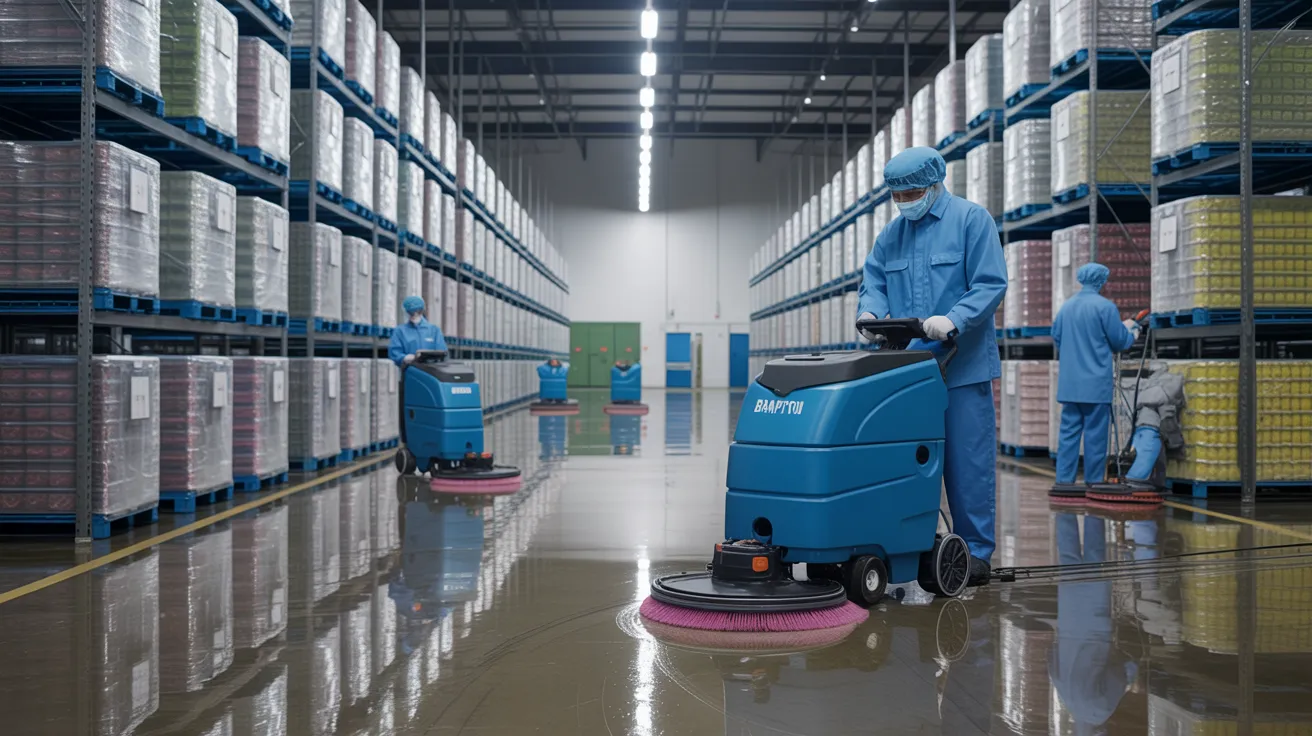
Professional cleaners in Brampton prioritize kitchens, floors, and restrooms given that each location involves distinct contamination control, slip-and-fall, and health code requirements. In industrial kitchens, you need grease removal from cooking stations, appliance surfaces, drain systems, preparation areas, and backsplashes to minimize bacterial growth and pest activity.
Professional floor upkeep with documentation is also included. is also provided as part of the service.
Restroom sanitation involves disinfecting surfaces, fittings, separators, dispensers, and containers, restocking supplies and controlling odours. They also maintain restaurant cleaning supply rooms where product storage, sink cleanliness, and drain systems impact daily sanitation standards and worker protection.
How Food Safety Cleaning Benefits Brampton Operations
Brampton businesses need to implement proper sanitation practices for satisfying legal standards and obtaining approval. You also reduce bacterial spread through proper cleaning of food-preparation surfaces, appliances, and frequently-touched items. Most importantly, you help protect public health by lowering the risk of foodborne illness in your facility.
Regulatory Code Requirements
Because Brampton food establishments operate under stringent health requirements, food safety cleaning directly affects your competence to adhere to health code requirements, safeguard customers, and prevent enforcement action. You must maintain sanitary food-contact surfaces, documented cleaning schedules, safe chemical management, and verifiable staff procedures that meet municipal and provincial inspection expectations.
Preserving strong cleaning records shows due diligence for regulatory audits and establishes that your procedures are uniform, repeatable, and overseen.
Cross-Contamination Control
Following regulatory requirements depends on your skill in stopping cross-contamination in daily food handling and cleaning. You should isolate raw items from prepared foods, sanitize prep surfaces between tasks, and store chemicals away from food-contact items. Well-defined guidelines decrease contamination chances and promote steady regulatory adherence.
Implementing allergen segregation helps keep priority allergens from contacting communal work zones, bins, or devices. Deploy dedicated cutting boards, color-coded tools, and clear tool marking so workers don't combine products while preparing or distributing. Enforce hand hygiene following raw meat, seafood, eggs, or allergen-containing products. Refresh cleaning cloths often, and validate disinfectant levels using test strips. When your team learns these guidelines every shift, you establish a more hygienic, safer workplace that meets Brampton's food safety expectations daily.
Public Health Protection
When sanitation efforts weaken, you don't only face inspection setbacks—you expand the chance of foodborne illness affecting customers, staff, and the larger Brampton community. You also weaken your role in protecting public health, especially in high-traffic food premises where pathogens travel quickly through surfaces, equipment, and touchpoints.
You need cleaning protocols that remove soils, sanitize correctly, and confirm effectiveness. That means following exposure periods, employing authorized sanitizers, recording cleaning times, and training staff to meet regulatory standards. These controls support disease prevention by lowering microbial loads before they contaminate surfaces or food. In Brampton, strong sanitation protects vulnerable populations, prevents disease spread, and enables you to show due diligence. When you clean to standard, you exceed basic requirements—you substantially decrease danger and support safer food service throughout the region.
In What Ways Does Cleaning Help Achieve Food Safety Compliance?
Implementing comprehensive cleaning schedules backs food safety compliance by reducing contamination risks, controlling pathogen growth, and positioning your facility in accordance with sanitation requirements under HACCP-based programs and public health regulations. You ensure that food-handling surfaces stay visibly clean and microbiologically controlled, backing documented preventive controls and inspection readiness.
Systematic cleaning also solidifies allergen management by clearing residues that can trigger undeclared allergen exposure. When you integrate approved sanitation protocols with safety training, your staff can execute standardized methods, employ approved chemicals properly, fill out documentation correctly, and handle discrepancies before issues intensify. Regular cleaning enables product tracking, confirms remedial measures, and shows responsibility in audits. Additionally, it assists you maintain product safety, preserve regulatory compliance, and lower the likelihood of enforcement actions, recalls, complaints, and unnecessary safety threats.
What's the Right Time to Plan Commercial Cleaning?
food-contact surfaces, bathrooms, and high-contact areas
facility shutdowns, weather-related soil accumulation, or pest pressure times
What Should You Look For in Brampton Cleaning Experts?
Start by screening providers against food-safe sanitation requirements, not price alone. You should verify that each company understands CFIA, public health, and HACCP-aligned expectations relevant to your facility. Ask for proof of insurance, WHMIS compliance, documented staff training, and supervision practices. Review whether technicians understand contamination prevention, chemical handling, and traceable sanitation records.
Additionally, you need to evaluate service dependability and responsibility. Obtain references from Brampton food operations, then review response times, corrective-action procedures, and communication standards. Verify the company supports supplier audits and can deliver inspection-ready documentation when inspectors or external parties need proof. Verify equipment is maintained, color-coded equipment are applied correctly, and site-specific hazards are identified. A qualified provider ensures compliance, product integrity, and your reputation.
What's included in a sanitation cleaning strategy?
Develop a written plan that clarifies every sanitation responsibility, standard, and task prior check article to production start. You should outline cleaning schedules, authorized chemicals, concentration levels, contact duration, implements, and validation techniques for each zone, surface, and piece of equipment. Include pre-operational inspections, corrective actions, and employee training requirements.
Your plan should also focus on cross-contamination controls, waste handling, pest-prevention measures, and documented schedules for rest areas, drains, flooring, and food-contact surfaces. Detail how you'll separate raw and ready-to-eat processes, facilitate ingredient tracking, and maintain accurate allergen labeling through validated cleaning between product changes. You should assign accountability, maintain signed records, and assess results against regulatory standards, HACCP controls, and customer requirements. When gaps appear, update procedures immediately and instruct staff.
Frequently Asked Questions
Will cleaning services handle overnight shifts at Brampton properties?
If you operate controlled facilities, you'll also need documentation that enable audits and maintain compliance.
Can sanitation professionals manage emergency spill response?
Yes, you can find many Brampton sanitation experts offering emergency response options. They manage hazardous materials, assess dangers, contain affected areas, and perform swift decontamination to minimize risk and limit operational impact. You should confirm timeframes, training credentials, safety measures, and disposal methods. If your facility needs compliance, choose a service that documents incidents, maintains standards, and ensures verification.
Do environmentally safe disinfectants function safely on surfaces contacting food?
Yes, eco-friendly disinfectants can be secure for food preparation areas if you select products labeled food safe and satisfying regulatory requirements. You should check contact times, concentration levels, and rinsing needs before use. Many plant based formulas reduce chemical hazards, but you must obtain evidence of effectiveness against target microorganisms. To keep surfaces residue-free, you need to follow manufacturer instructions exactly and confirm the sanitizer complies with food sanitation requirements.
Can maintenance plans be modified for seasonal variations?
Absolutely, maintenance plans allow customization for seasonal production changes. Adapt timing, staff levels, sanitizers, and verification steps to fit seasonal patterns while upholding regulatory requirements. Reduce equipment downtime through planning disinfection during equipment transitions, peak volumes, and usage patterns. Further modify SSOPs, training, and facility monitoring to capture transient threats, emerging allergens, or increased soiling. Frequent reviews ensure the schedule functional.
Do commercial cleaning providers instruct your team in proper hygiene techniques?
Indeed, commercial cleaning providers typically provide staff training on sanitation best practices. Your team obtains instruction on proper chemical use, exposure durations, cross-contamination prevention, equipment disassembly, and documentation. They typically follow instruction with HACCP, GMP, and CFIA or local public health criteria. Many perform sanitation audits to confirm standards, reveal issues, and reinforce corrective actions. This assists you to establish reliable processes, pass inspections, and decrease foodborne illness risks each day.
Summary
By partnering with Brampton food safety and commercial cleaning professionals, you aren't just organizing—you maintain your facility compliance-focused and your standards in compliance. From kitchens to processing floors, every sanitized surface and organized space decreases contamination and prevents costly issues. By scheduling cleanings at appropriate intervals and adhering to a systematic cleaning protocol, you protect your team, clients, and your credibility. In a heavily controlled environment, hygienic conditions are mandatory—they're key to business compliance.